

 Gündoğan Yapı
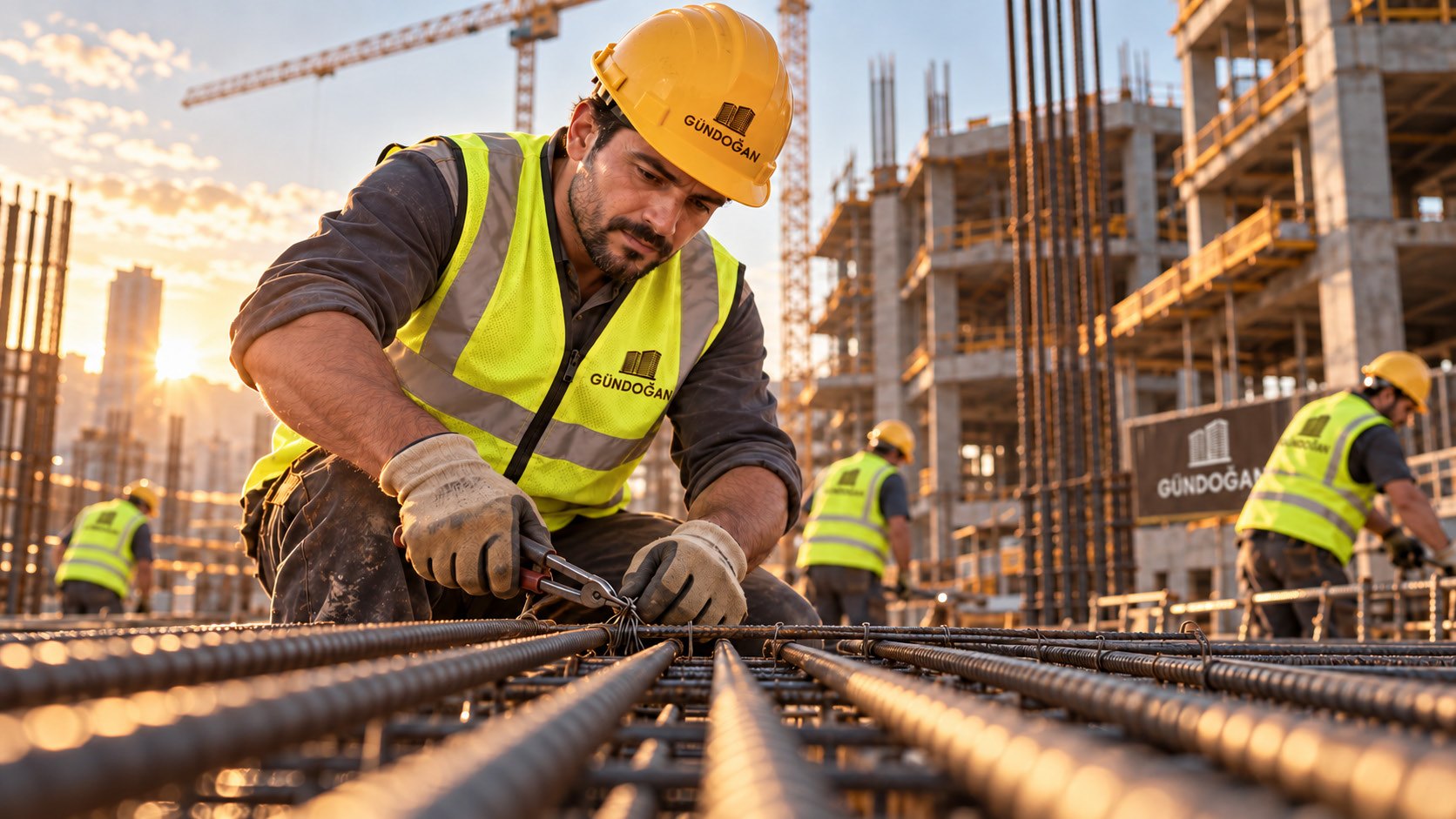
Living in an earthquake zone turns choosing a building into a safety decision above all. The good news is that earthquake resistance is never an accident. It is the result of sound design, quality materials, careful construction and independent inspection. Asking the questions below when buying a home or commissioning a new building helps you check that all four are in place.
1. Which code was the building designed to?
Current design rules in Türkiye are set by the Turkish Building Earthquake Code (TBDY 2018), in force since 1 January 2019. The permit date and the code used in the structural design give the first clue about a building’s design approach.
2. Was a soil survey carried out?
The same building behaves differently on different ground. A soil survey based on boreholes and laboratory tests is a prerequisite for choosing the right foundation system. Ask whether the report exists and whether it was reflected in the design.
3. Who carried out the building inspection?
Under Law No. 4708 on Building Inspection, construction is supervised by independent inspection firms. The firm’s name appears on the permit and occupancy documents; a recorded process is a safeguard.
4. Which concrete and reinforcement classes were used?
The code defines minimum concrete and reinforcement classes for new buildings. Test reports from samples taken during concrete pouring show whether the specified classes were actually used on site. Asking for these reports is a buyer’s natural right.
5. Has the structural system been altered?
Cutting columns or removing shear walls, especially in ground-floor shops, puts the whole building at risk. Check whether past renovations touched load-bearing elements. Any change to the structure requires a structural design and permits.
6. Does it have an occupancy permit?
The occupancy permit (iskân) shows that the building was completed in line with its permit and design. Buildings without one, or with floors added against the design, carry both legal and technical risks.
7. Is the building regularly maintained?
Basements with failed waterproofing and damp columns can lead to reinforcement corrosion over time. Roofs, foundation insulation and plumbing leaks should be checked regularly; maintenance is the invisible part of durability.
8. Is compulsory earthquake insurance (DASK) in place?
Compulsory earthquake insurance is a legal requirement for homes and the first safeguard in case of damage. Make sure the policy is current and issued for the correct floor area.
Gündoğan Yapı’s approach
We deliver our residential and urban renewal projects in line with the current regulations. For us, trust is the best building material.
Frequently asked questions
What is TBDY 2018?
The Turkish Building Earthquake Code sets the rules for the earthquake-resistant design of buildings. It came into force on 1 January 2019.
How can I tell whether an older building is safe?
A definitive answer requires a technical inspection by authorised institutions. You can apply to a Ministry-licensed institution for a risky building assessment.
Can a column or shear wall be removed during renovation?
Load-bearing elements must not be altered without a structural design and the necessary permits. Such changes affect the safety of the entire building.


