

 Gündoğan Yapı
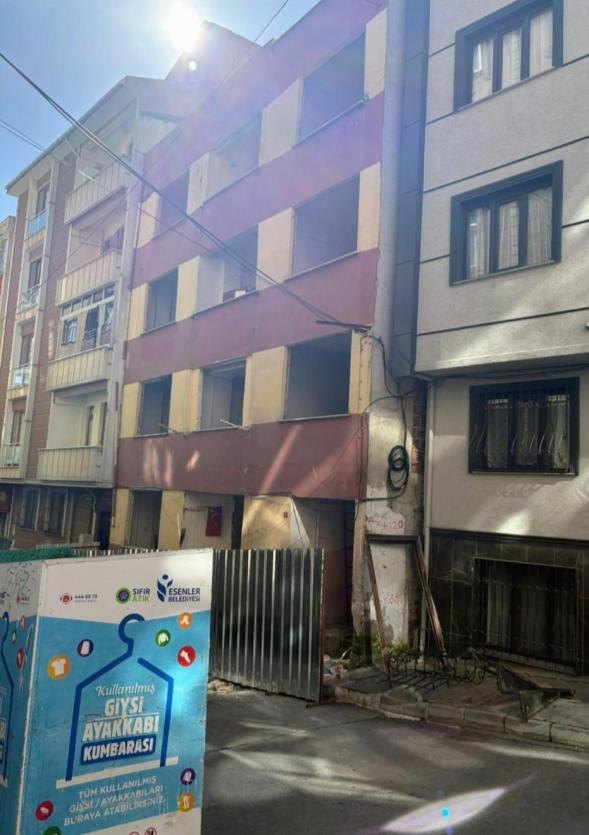
A large share of Istanbul’s building stock was built before today’s earthquake code. Urban renewal is the legal and technical process that turns these buildings into safe, comfortable and valuable homes. Planned well, it protects both lives and property value.
What is urban renewal and which buildings does it cover?
In Türkiye, urban renewal is mainly carried out under Law No. 6306 on the Transformation of Areas under Disaster Risk. The process usually starts with the renewal of “risky buildings”, those found to be vulnerable to disasters such as earthquakes. A building can be renewed on its own or, where suitable, together with neighbouring plots for a more efficient project.
The urban renewal process step by step
- Preliminary assessment: The building’s age, structural system, soil conditions and zoning rights are reviewed to see how the renewal can be structured technically and financially.
- Risky building assessment: Institutions licensed by the Ministry inspect the building, take concrete core samples and prepare a report. The final assessment is recorded on the title deed.
- Agreement among owners: Unit distribution, floor areas, delivery time and the move-out schedule are discussed. Decisions are taken by the majority required by law.
- Design and permits: Architectural, structural, electrical and mechanical designs are prepared and the building permit is obtained from the municipality. An independent building inspection firm supervises the process.
- Evacuation and demolition: Utilities are disconnected, the building is vacated and safely demolished.
- Construction: The foundation system is built according to the soil survey, followed by the structure, façade and finishing works.
- Occupancy permit and handover: The occupancy permit is obtained, title deeds are updated and the units are handed over to the owners.
State support and the “Yarısı Bizden” programme
Owners taking part in urban renewal can benefit from rent assistance, interest-subsidised loans and grants. In Istanbul, the “Yarısı Bizden” (“Half From Us”) programme launched by the Ministry of Environment, Urbanisation and Climate Change aims to cover a significant part of renewal costs through grants and loans. Since amounts and conditions are updated from time to time, we recommend confirming the current terms through official channels before applying.
At Gündoğan Yapı, we are carrying out an urban renewal project in Esenler under the “Yarısı Bizden” programme.
What owners should watch out for
- The contract should clearly state unit sizes, the materials list, the delivery date and delay terms.
- Visit the company’s completed projects and talk to its references.
- Agree on the move-out schedule and rent assistance process from the start.
- The design must follow the current Turkish Building Earthquake Code and be based on a soil survey.
- Regular progress updates should be part of the agreement.
How Gündoğan Yapı approaches urban renewal
Trust is the most valuable asset in urban renewal. We communicate transparently with owners and manage every stage, from assessment to handover, with a clear schedule. We put the experience we have gained since 1959 into creating earthquake-resilient, contemporary homes.
Frequently asked questions
How long does urban renewal take?
It depends on the size of the building, how quickly owners reach agreement, permit processes and the scope of construction. A clear schedule can be shared after the preliminary assessment.
Who carries out the risky building assessment?
The assessment is carried out by institutions licensed by the Ministry of Environment, Urbanisation and Climate Change. Any one of the owners can apply.
Can I receive rent assistance during renewal?
The regulations provide rent assistance for owners who meet certain conditions. As amounts and conditions are updated periodically, please check the current terms before applying.


